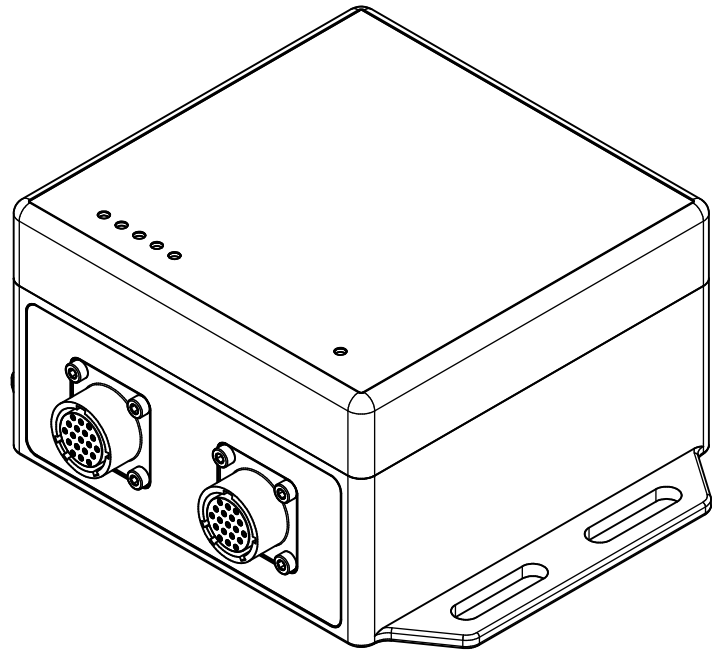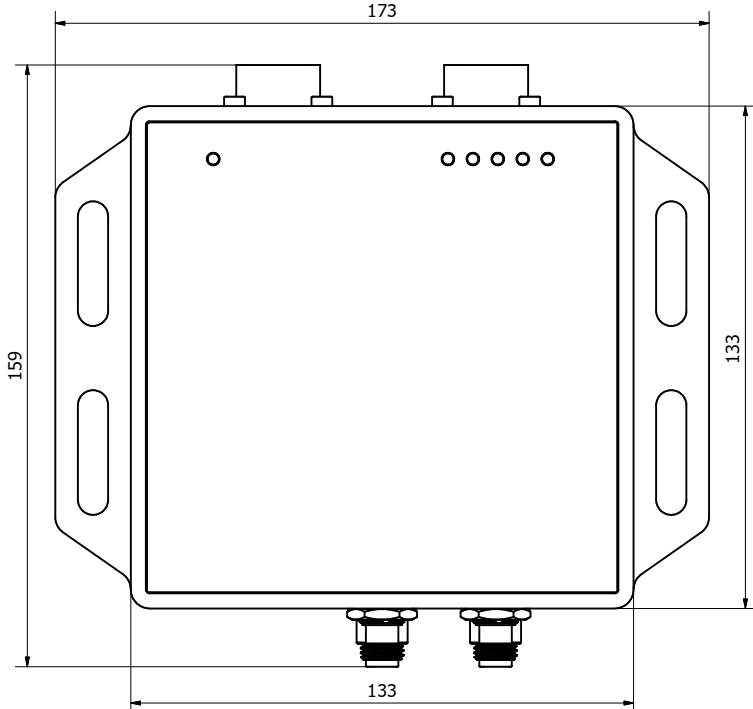

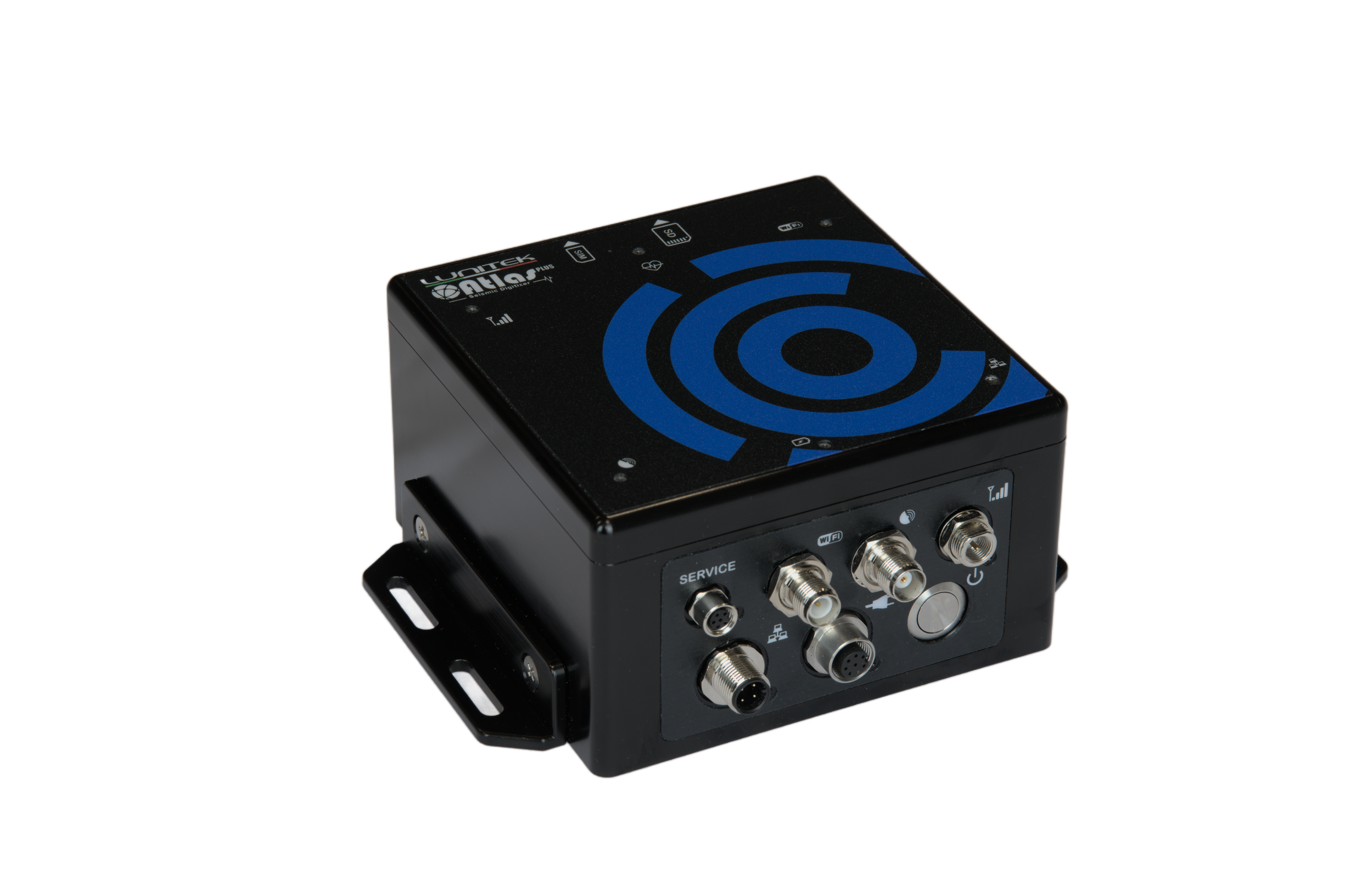


The system is available with 3, 6 or 9 differential input channels for external sensors.
EXCELLENT PERFORMANCE
The instrument is equipped with high-resolution delta-sigma 32 bit ADCs, all the channels are synchronized and the sample rate is adjustable up to 5000 sps per channel. The internal memory (up to 1 TByte) has two independent recording zones: the ring-buffer zone which is dedicated to continuous sampling, and the triggering zone which is used for event sampling.
The data is stored in MiniSEED format.
The built-in GNSS receiver synchronizes the system clock with the absolute time so that a network of several units can be created where all the channels are synchronized. Using the trigger criteria that is available in the firmware, it is possible to distinguish environmental vibrations from seismic events.
EASY TO USE
You can control ATLAS locally via network connection (LAN or WiFi), and remotely using the integrated LTE modem ( optional). The instrument can be used as a “stand-alone” unit to record seismic events in the field or it can be used in a MASTER-SLAVE based monitoring network where multiple instruments are connected to each other; the MASTER device manages the interconnection with the other SLAVE units, collecting data from them and managing the connection with the remote server. Furthermore, MASTER and SLAVE units can perform periodic analysis of ambient noise and post-seismic vibrations in order to evaluate the structural damage caused by an earthquake, in real-time.
Thanks to the SeedLink protocol, ATLAS is compatible with most popular seismic analysis software (Seiscomp3, Antelope, Earthworm).
INTEGRATED UPS
ATLAS is equipped with an internal battery (LiPo) which can guarantee an autonomy of more than 20 hours in case of a blackout; both the LTE modem and external sensors’ power supply is backed up by the internal battery. ATLAS’ power supply ranges from 9 to 36 VDC, it can be connected to the electric power network with the power supply adapter included.
ROBUST
The anodized aluminum (INOX AI6061 option) enclosure is CNC milled, shockproof, vibration-resistant, weather-resistant and designed with a built-in mounting brackets for easy installation.
 ATLAS can be used with an accelerometric or a velocimetric sensor.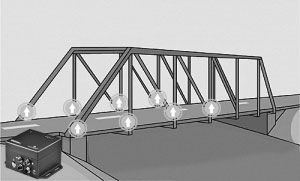
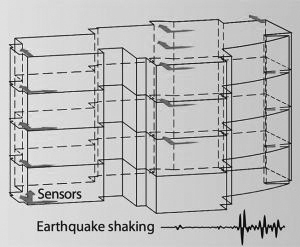 ATLAS is often used in the field of structural monitoring to calculate the resonant frequency of the buildings.
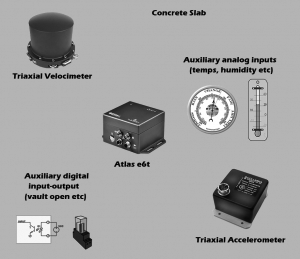 In a typical geophysical monitoring station, ATLAS is used with a low-noise force-balance-triaxial accelerometer and with a triaxial velocimeter, both mounted on a concrete slab.